Test Systems
GtestWorks Automated Testing Platform
VectWorks 3.0 Electrical Performance Test Software


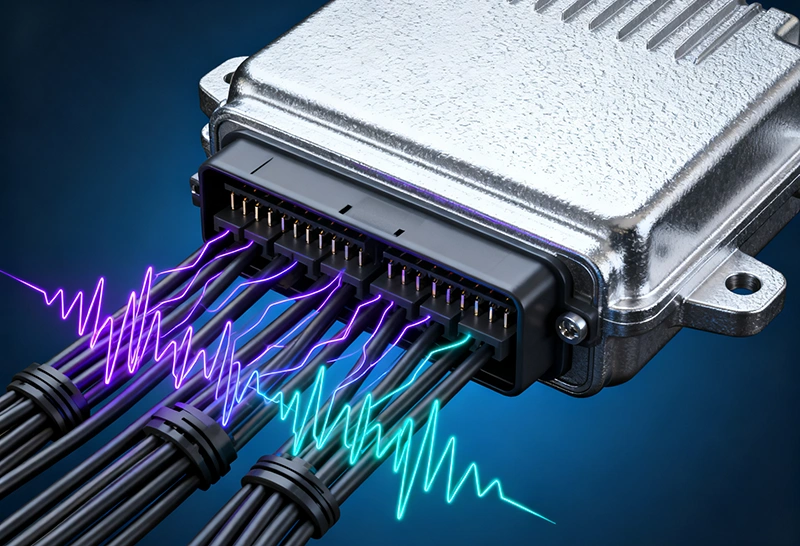
Electromagnetic Compatibility (EMC) refers to the ability of electrical equipment or systems to operate without causing electromagnetic interference to their environment or being susceptible to such interference. As a critical quality benchmark, EMC compliance should be addressed during the initial product design phase through cost-effective countermeasures. By definition, EMC comprises Electromagnetic Interference (EMI) and Electromagnetic Susceptibility (EMS).
Electromagnetic Compatibility (EMC) refers to the ability of electrical equipment or systems to operate without causing electromagnetic interference to their environment or being susceptible to such interference. As a cr···
The core essence of Electromagnetic Compatibility (EMC) embodies a dual attribute of "interference and immunity," meaning that electronic equipment or systems can operate normally in their electromagnetic environment without causing unacceptable electromagnetic interference to other devices in that environment. This attribute manifests in two aspects: on one hand, the equipment needs the ability to resist external electromagnetic interference (Electromagnetic Susceptibility, EMS); on the other hand, the equipment itself should not generate electromagnetic interference exceeding standards (Electromagnetic Interference, EMI).
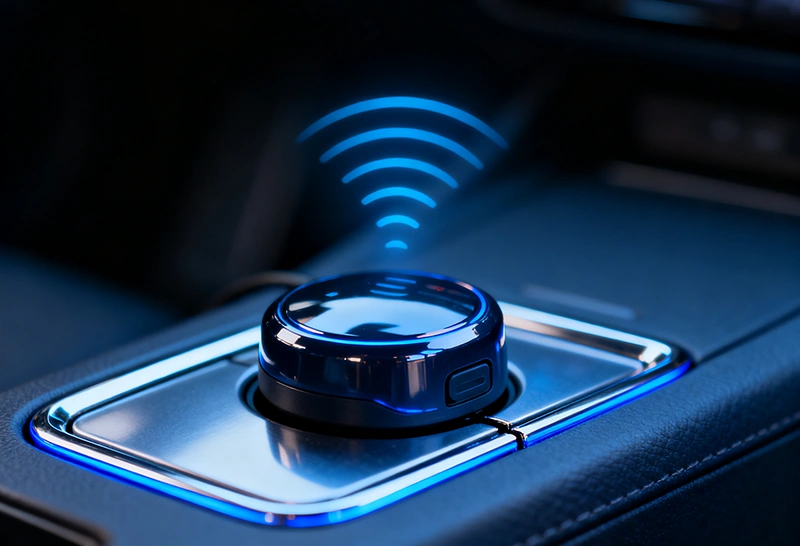
Since 2018, the European Union has mandated all new vehicle models to be equipped with eCall systems. China has also initiated the development of national standards for "In-Vehicle Emergency Call Systems," where EMC testing serves as a mandatory requirement for product market access.
During accidents, eCall systems must reliably transmit location information and the Minimum Set of Data (MSD). Electromagnetic interference may cause communication failures, jeopardizing emergency response timelines.
International markets (e.g., the European Union and Russia) require compliance with standards such as UN R10 and CISPR 25, while the domestic market in China must adhere to standards like GB 34660 and GB/T 18655.
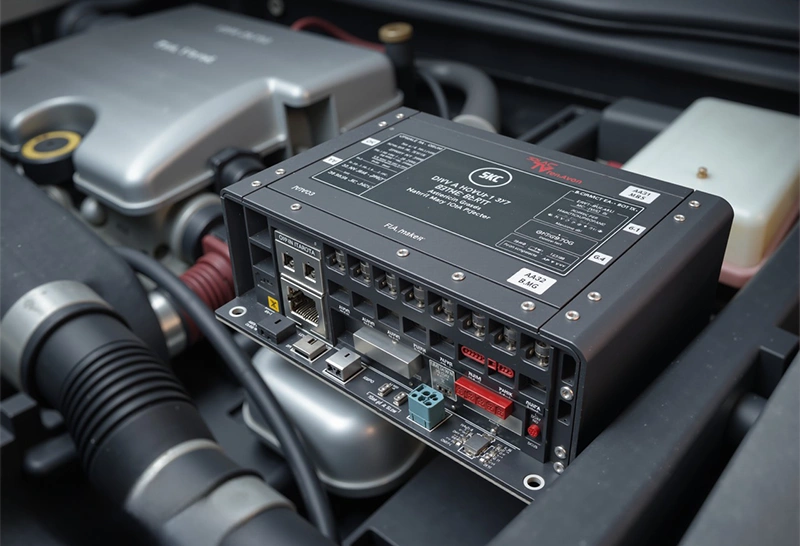
As a critical node in the vehicle power supply network, the onboard DC-DC converter performs core power conversion functions within automotive electronic systems. For instance, it converts high-voltage power (such as 400V to 1500V from battery packs in new energy vehicles) to low-voltage levels (12V to 48V), delivering stable and reliable power supply to onboard electronic devices (e.g., infotainment systems, sensors, lighting equipment, etc.).
The fundamental components of an EMC anechoic chamber include an electromagnetic shield with a closed conductive frame, and electromagnetic wave-absorbing materials on the inner walls. The shield operates based on the principle of a Faraday cage, ensuring electromagnetic radiation cannot penetrate or escape the chamber. The electromagnetic wave-absorbing materials on the inner walls prevent reflection of test radiation, creating a comparable and constant testing environment.
Core Components of Anechoic Chamber:
Main steel structure, shield body, absorbing material, shielded door, filter, waveguide, lighting fixtures, interface panel, raised floor, antenna mast, turntable, monitoring system, smoke alarm system, and power distribution system.