Test Systems
GtestWorks Automated Testing Platform
VectWorks 3.0 Electrical Performance Test Software


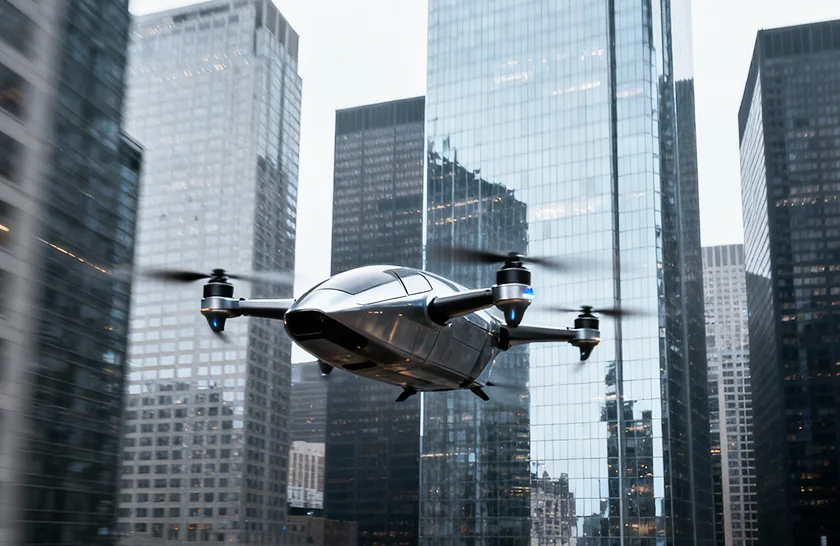
Electric Vertical Takeoff and Landing (eVTOL) aircraft are electrically powered vehicles capable of vertical takeoff and landing like helicopters, while offering higher energy efficiency, lower noise levels, and reduced emissions. Regarded as a crucial component of future urban air mobility (UAM), these aircraft demonstrate significant potential in alleviating ground traffic congestion and providing rapid intercity or intra-city transportation.
Electric Vertical Takeoff and Landing (eVTOL) aircraft are electrically powered vehicles capable of vertical takeoff and landing like helicopters, while offering higher energy efficiency, lower noise levels, ···
In July 2025, the Aircraft Owners and Pilots Association of China officially released T/AOPA 0083—2025 and T/AOPA 0084—2025. One defines the product-level safety technical requirements, and the other defines the safety technical assessment framework. Together, they form the basic self-regulatory structure for intelligent ultralight vehicles.

eVTOL, short for Electric Vertical Take-off and Landing aircraft, is one of the most important tracks in the low-altitude economy, combining both manufacturing and operational service attributes. With vertical take-off, electrification, intelligence, and low noise as its key features, it is becoming an important technology carrier for urban air mobility, low-altitude logistics, emergency rescue, and low-altitude tourism.
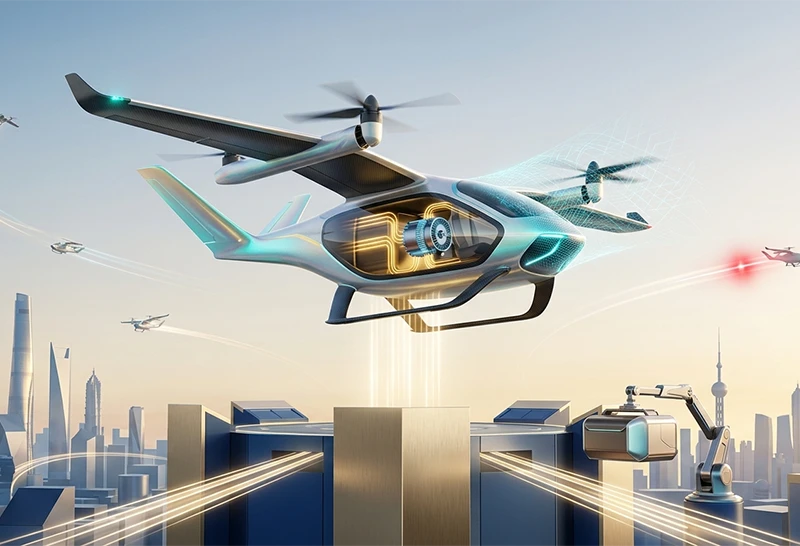
This test plan provides an electrical performance and electromagnetic compatibility framework for civil UAV developers, manufacturers, and testing organizations, with emphasis on propulsion power systems, electrical safety, complete-aircraft emission and immunity, as well as ripple and system stability validation in high-risk scenarios.
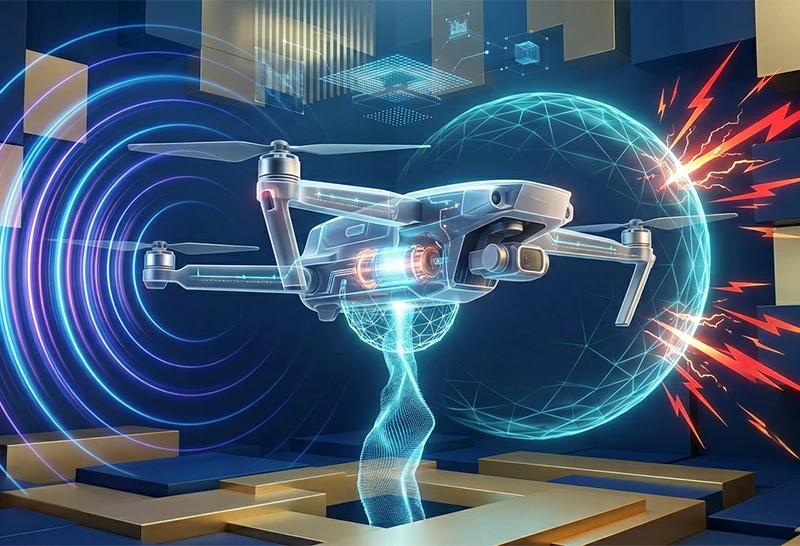
The widespread application of low-altitude aircraft in agriculture, logistics, mapping, and other fields has made safety concerns increasingly prominent, with electrical performance testing serving as the core component ensuring their safe operation. As the energy source, the safety performance of the battery system directly impacts flight safety, as battery failures may lead to severe consequences such as aircraft crashes, collisions with buildings, or injuries to people. Electrical performance testing can simulate various phenomena that may cause power supply anomalies during steady-state operation and verify the performance of the EUT under such conditions, including power interruptions due to power source switching, voltage surges, and transient voltages that may occur during engine startup.
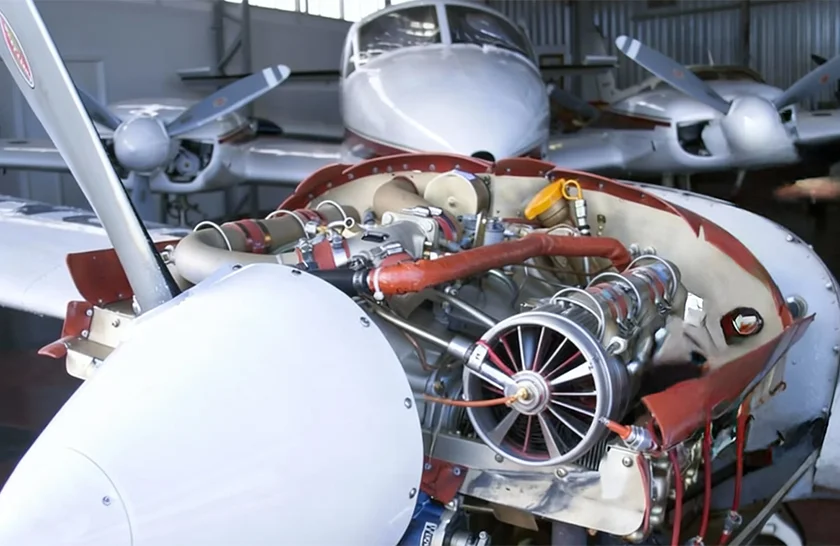
The electrical performance testing in the RTCA/DO-160G standard primarily involves verifying the electrical characteristics of equipment under conditions such as power input and voltage spikes, ensuring that airborne equipment operates reliably in complex electrical environments. It focuses on evaluating the equipment's immunity to power disturbances and voltage spikes on power lines, as well as its own electrical safety, to ensure continued normal operation under extreme environmental conditions.