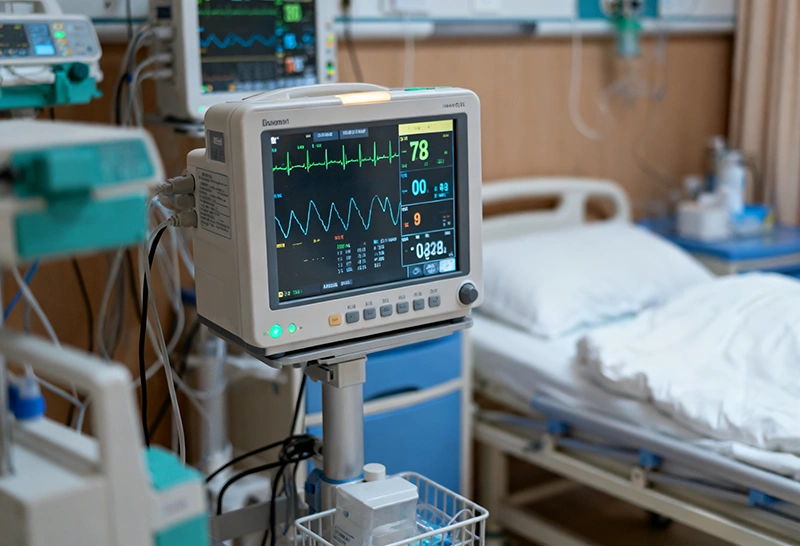
电磁兼容性( EMC )指电气设备或系统运行时,对其所处的电磁环境不产生干扰或抵抗电磁环境干扰的能力。 EMC 是评价产品质量好坏的重要标准之一。为了以最为经济的方式保证产品的 EMC 质量,应该在产品设计初期采取适当的措施。根据定义, EMC 被分为电磁干扰( EMI )、电磁抗扰度或敏感度( EMS )。法规规定应满足 EMI 的最大值和 EMS 最小值。相关标准中对于可用的限值、采用的测量方法和仪器都作出了规定。
电磁兼容性( EMC )指电气设备或系统运行时,对其所处的电磁环境不产生干扰或抵抗电磁环境干扰的能力。 EMC 是评价产品质量好坏的重要标准之一。为了以最为经济的方式保证产品的 EMC 质量,应该在产品设计初期采取适当的···
The direction of GB/T 18487.2-2026 can be summarized in eight words: tighter safety control and unified operating conditions. It moves EV charger EMC beyond a simple list of disturbance and immunity tests toward compliance anchored in personal safety, protective device reliability, and realistic usage conditions.
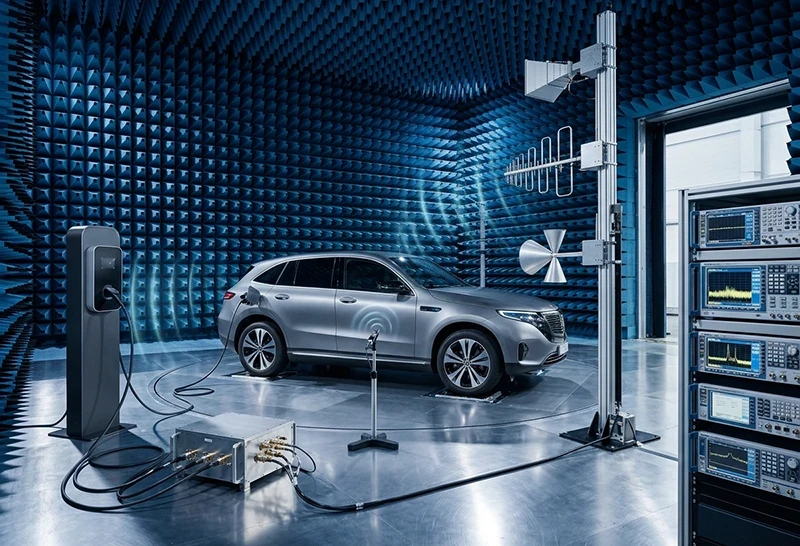
GB 47955-2026 does not merely add a few test items to L2 driving assistance. For the first time, it brings driver attention, system capability limits, fallback control, safety of the intended functionality, and post-incident traceability into one mandatory regulatory framework.

GB 34660-2026 is a mandatory national standard for automotive electromagnetic compatibility. It formally brings intelligent connected vehicle immunity-related functions into the regulatory framework, while also adding 2000MHz to 6000MHz high-frequency immunity requirements, reverberation chamber alternative methods, same-type judgment rules, and production conformity requirements. For OEMs, suppliers, and laboratories, this is not just a clause update. It is a practical upgrade in test capability, process control, and resource planning.

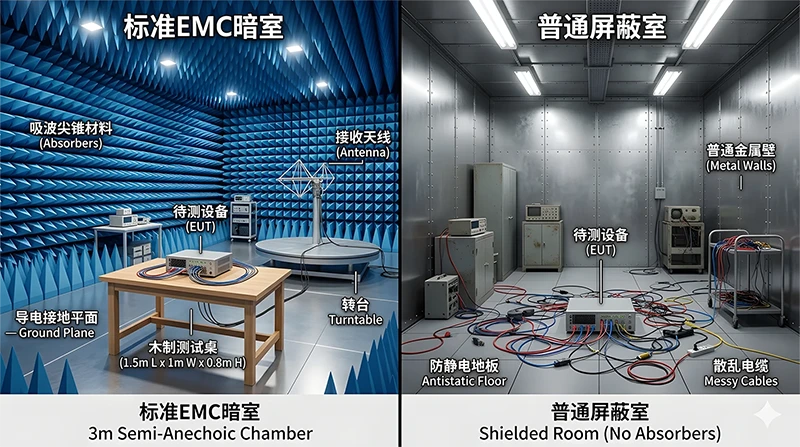
The biggest risk in EMC testing is not finding a problem. It is finding the problem only when the product is already in formal certification. Many teams end up in repeated rework not because the product is impossible to pass, but because the test environment, sample configuration, standards interpretation, and corrective-action loop were never made solid early enough. This page turns the most common EMC mistakes into a practical framework your R&D, test, and certification teams can use together.
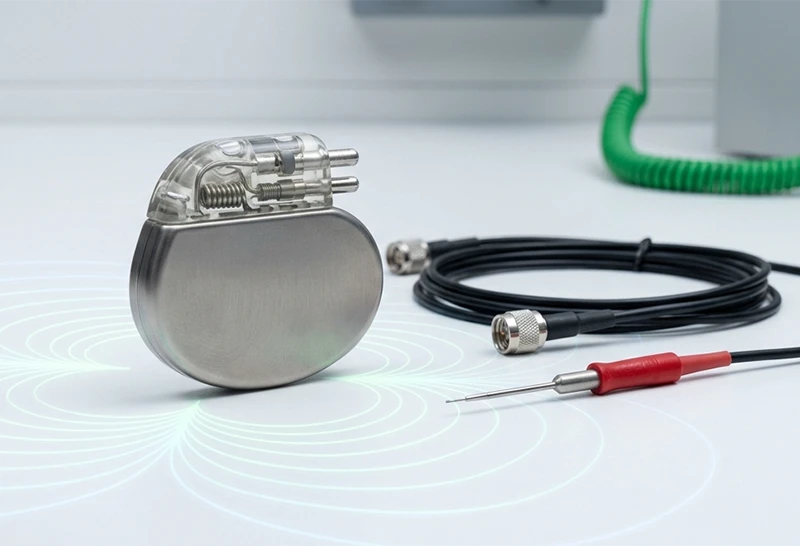
This page provides a structured interpretation of ISO 14117:2019, EMC test protocols for active implantable medical devices, covering the standard background, development history, scope, frequency segmentation and test methods, core test items, clinical environment protection requirements, accompanying document obligations, and the relationship with domestically adopted standards.
This page provides a structured interpretation of YY 9706.102-2021, the EMC collateral standard for medical electrical equipment, covering standard positioning, essential concepts, intended electromagnetic environments, emission and immunity test requirements, differences from YY 0505-2012, and implementation priorities for medical device manufacturers.
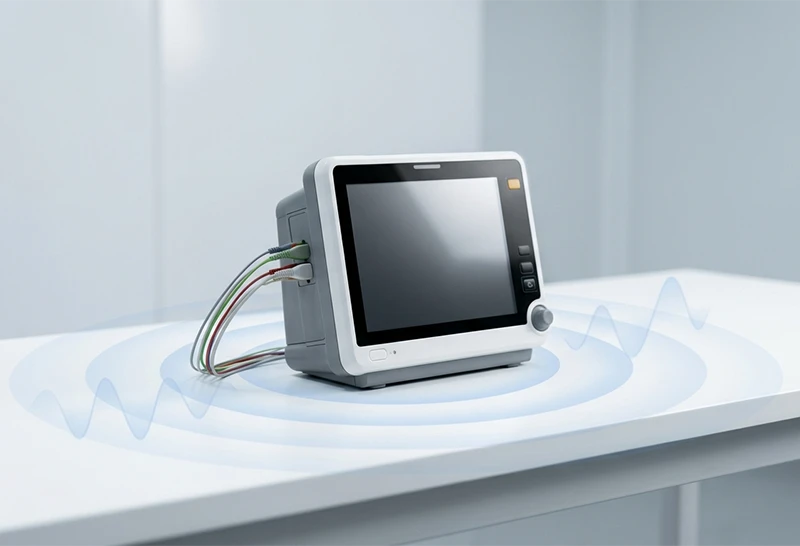
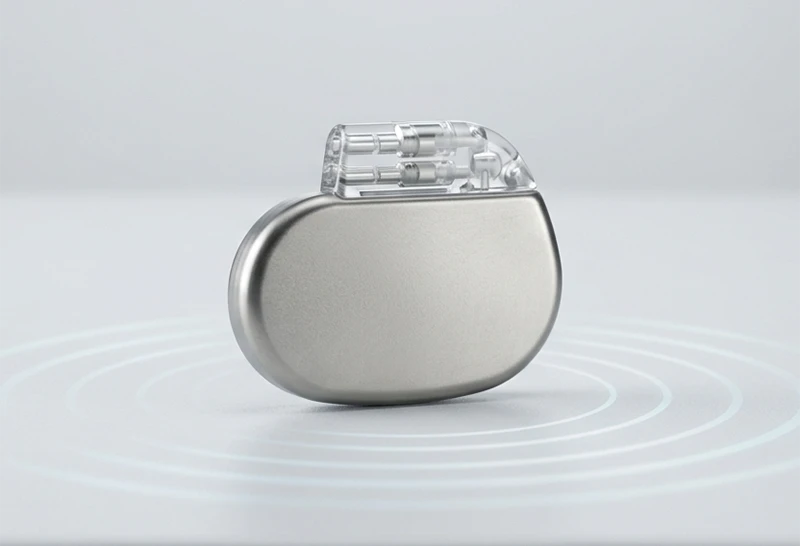
This page interprets YY/T 1874-2023, EMC test protocols for active implantable medical devices, with a focus on implantable cardiac pacemakers, implantable cardioverter defibrillators, and cardiac resynchronization devices. It covers the regulatory background, device scope, core EMC test items, clinical environment protection requirements, manufacturer documentation obligations, and the main differences from YY 9706.102-2021.
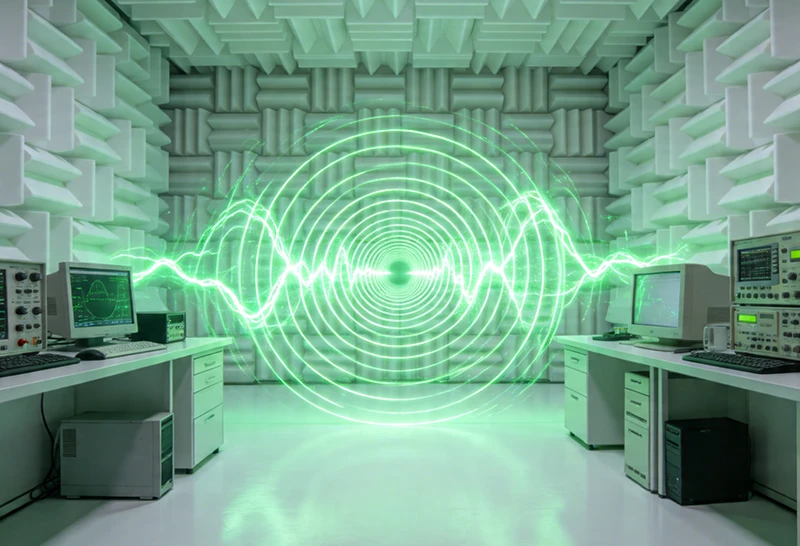
This page provides a structured overview of electromagnetic compatibility testing, covering the basic concepts of EMC, EMI, and EMS, along with the common standards, test items, methods, and design priorities for industrial, scientific, and medical equipment, automotive electronics, military systems, and household appliances.
This standard specifies the general requirements for the basic safety and essential performance of Medical Electrical Equipment (ME Equipment) and Medical Electrical Systems (ME Systems). It is applicable to the design, production, inspection, and use of various medical electrical equipment. Compared with the previous edition, the new version introduces the concept of risk management, making the safety testing requirements more systematic and rigorous.

Active medical devices rely on electrical energy and act directly on the human body, with safety requirements far exceeding those of ordinary electronic equipment. Insufficient electromagnetic compatibility may interfere with the operation of other instruments, leading to device malfunction or data distortion, directly threatening patient safety. EMC testing systematically verifies the electromagnetic compatibility of devices, building a full-chain quality defense from design to use, serving as the "technical gatekeeper" for ensuring device safety and effectiveness.