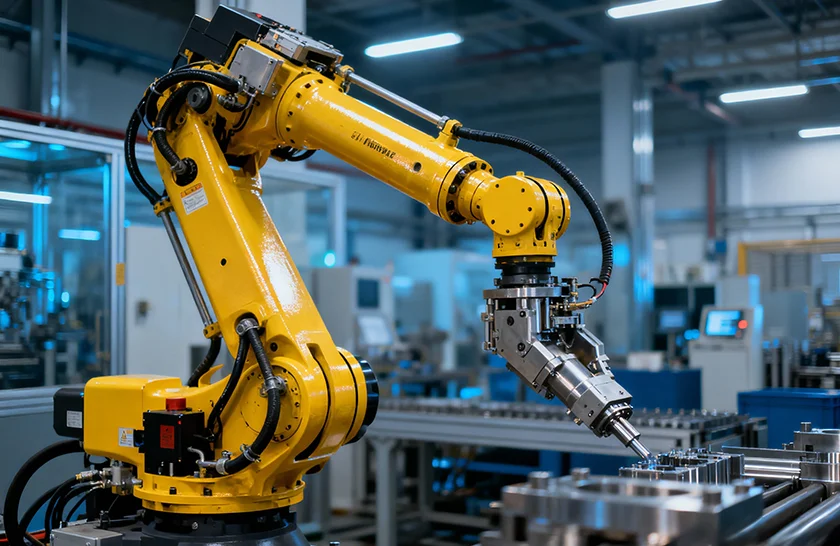
Embodied AI robots represent the convergence of artificial intelligence and robotics, marking the evolution of AI from mere code in the virtual world to entities with a physical "body" capable of perceiving and interacting with the real world. Through multimodal perception, deep reasoning, and precise manipulation, these robots are designed to become capable assistants and close companions to humans.
Embodied AI robots represent the convergence of artificial intelligence and robotics, marking the evolution of AI from mere code in the virtual world to entities with a physical "body" capable of pe···
Robots, as complex systems integrating mechanics, electronics, sensing, and artificial intelligence, fundamentally depend on the quality of their electrical performance for their overall capability and reliability. Electrical performance testing runs through the entire cycle of robot R&D, production, and acceptance. It is far more than a simple power-on check; rather, it constitutes an in-depth verification and efficiency evaluation of its "life system"—the power architecture, powertrain, signal integrity, and energy management.
Electrical performance testing is not only the cornerstone for ensuring the safe and stable operation of robots and preventing electrical risks, but also a critical means to accurately quantify their working endurance, dynamic response, and energy efficiency levels, thereby ensuring that design objectives are met. Against the backdrop of robots advancing toward large-scale, industrial applications, establishing and implementing a rigorous electrical performance testing system is an imperative requirement for enhancing product competitiveness, winning market trust, and promoting the sustainable and healthy development of the industry.
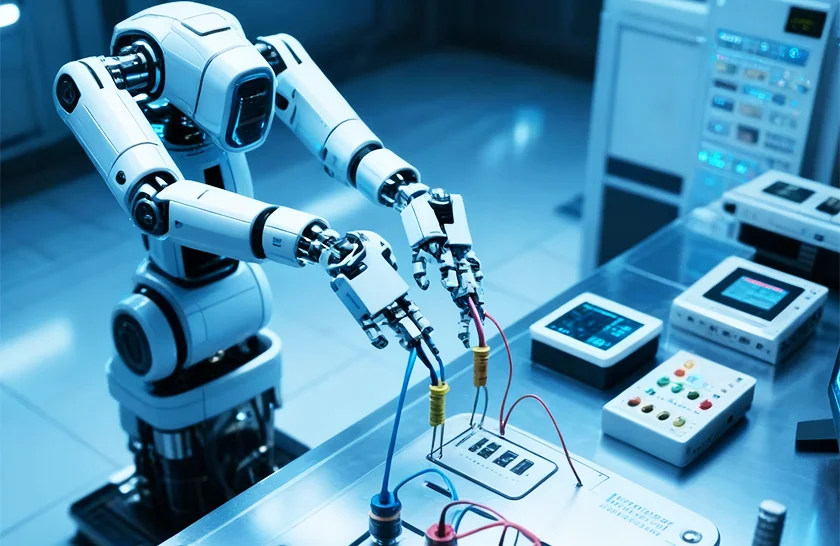
GB/T 37414.3-2020 "Electrical Equipment and Systems for Industrial Robots - Part 3: Technical Requirements for AC Servo Motors" establishes unified test methods and technical requirements for AC servo motors used in industrial robots. By standardizing the fundamental requirements and performance testing of motors across different industrial application scenarios, this standard aims to enhance product accuracy, speed, and reliability, thereby strongly promoting the advancement of the industrial robot industry toward high performance and high reliability.